Cottonseed projects don't fail on press tonnage — they fail on lint, hull, and gossypol
Before you size a 300-ton hydraulic press, settle three industrial realities: delinting and dehulling status (hulls are 30-40% of seed weight), cook-and-condition discipline at 105-115°C, and gossypol (free 0.02-0.2%) that makes refining non-optional. This guide walks the full cottonseed line on real parameters.
A cottonseed hydraulic oil press process guide on real numbers: kernel oil 15-24%, hulls 30-40% of seed weight, cook 105-115°C, 300/325 ton hot press at 100 kg/barrel (30-40 min, ~1.5 h per 2 barrels), free gossypol 0.02-0.2% — so refining is mandatory.
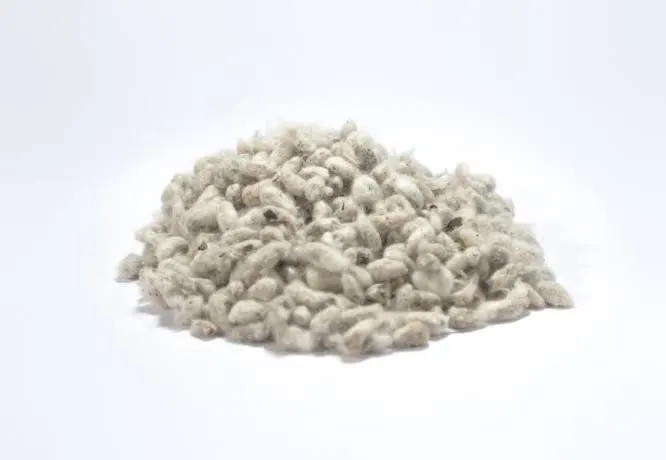
Delinted seed with 15–24% oil content
Cottonseed must be saw-delinted or acid-delinted, then hulled (hulls are 30–40% of seed weight) before the kernel reaches the press. Oil content is lower than most seeds, so pretreatment quality directly decides whether pressing is economically viable.
Gossypol makes refining mandatory
Crude cottonseed oil contains gossypol — a toxic yellow pigment unique to cotton. It must be removed through alkali refining or adsorption before the oil is edible. Unlike most other seeds, skipping refining is not an option.
Hot press on 300/325 series
Cottonseed is typically hot-pressed after cooking and conditioning. The 300/325 model (300–325 ton, 100 kg/barrel, ~1.5 h per 2 barrels including loading) is the standard match for regional and pilot cottonseed projects.
Downstream refining is part of the first conversation
Degumming, alkali neutralization, bleaching, and deodorization are not future upgrades — they are core requirements. The press layout must leave space and piping for refining from day one.
Cottonseed is industrial, not boutique — here's the quick read
Cottonseed is a bulk commodity material, almost always hot-pressed after cooking, and its crude oil is never edible without refining. Lock that frame before comparing machines.
Standard route → cook + hot press
Cottonseed kernel is cooked at 105-115°C, then hot-pressed on a 300/325 ton press at 100 kg/barrel. Kernel oil content is only 15-24%, so pretreatment quality matters more than headline tonnage.
Crude oil → refining is mandatory
Crude cottonseed oil is dark and carries free gossypol at 0.02-0.2% — toxic and unique to cotton. Alkali neutralization, bleaching, and deodorizing are food-safety requirements, not future upgrades.
Still fuzzy seed? → delint + dehull first
Hulls are 30-40% of seed weight and oil-free. Saw/acid delinting plus hull cracking to 85-90% removal must be in scope before the kernel reaches the press, or oil color and gossypol load both worsen.
The cottonseed line from fuzzy seed to refining-ready crude oil
1 · Delint, clean, and crack hulls
Saw-delint or acid-delint to remove lint fiber, then crack and aspirate hulls (30-40% of seed weight) to a target 85-90% removal. Hull level directly controls crude-oil color and gossypol load.
2 · Cook and condition at 105-115°C
A steam-jacketed cooker ruptures oil cells, reduces moisture, and begins binding gossypol. The conditioning window sets both oil yield and how dark the crude oil turns out — record it per batch.
3 · Load the 300/325 hot press by a fixed rule
Each barrel holds ~100 kg of conditioned kernel; pure pressing is 30-40 min, and a full load-press-unload cycle runs about 1.5 h per 2 barrels. System pressure 60 MPa, 2.2 kW motor, mechanical relief valves — the same hydraulics across the range.
4 · Settle and degum the dark crude oil
Crude cottonseed oil is dark and high in phospholipids. Settle to drop coarse sediment, then hot-water hydration-degum to swell phospholipids for separation. None of these steps are optional before refining.
5 · Refine: neutralize, bleach, deodorize
Alkali (NaOH) neutralization removes free gossypol and free fatty acids, bleaching earth adsorbs color, and vacuum-steam deodorizing removes off-flavors. Only after this is cottonseed oil edible; refining capacity must match press output.
Real cottonseed numbers to size the line
Every figure below comes from the cottonseed production spec, not a generic catalog. Use them to sanity-check any quote.
Mistakes the press gets blamed for — but that belong upstream or downstream
- Skipping the refining plan: crude cottonseed oil is toxic with gossypol. A press without a defined neutralize-bleach-deodorize path produces oil that cannot legally be sold for food.
- Leaving hulls in the feed: hulls (30-40% of weight) carry no oil but darken crude oil, raise gossypol load, and degrade meal — the press is blamed for low yield that starts at the cracker.
- Sizing only the press: cooker capacity, cake cooling, crude tanks, and refining must match the 1.5 h / 2-barrel cycle, or the press waits on a bottleneck elsewhere.
- Describing cottonseed like boutique cold-pressed oil: it is treatment-heavy industrial material; cold-press marketing language does not fit and misleads scope.
Strong delinting, dehulling, and a refining-ready layout remove most arguments about machine size that are really feedstock and downstream problems.
Why a hydraulic press suits cottonseed — and what stays constant across the range
Cottonseed is the opposite of a boutique oilseed: its kernel oil content is only 15-24%, lower than most seeds, so the economics live or die on pretreatment, not on a clever press. A hydraulic press fits this material because cooked, conditioned cottonseed kernel presses best under slow, steady, high pressure rather than the high-shear heat of a screw expeller, and because the press room is only one stage in an industrial chain that runs from saw-delinting through hull cracking, cooking at 105-115°C, hot pressing, dark-crude settling, and mandatory refining. Across the cottonseed oil line team range the hydraulic system is the same: 60 MPa system pressure driven by a 2.2 kW motor, mechanical high- and low-pressure relief valves rather than solenoid valves, carbon-steel partition plates between cakes, and a standard 390 × 800 mm barrel that loads about 100 kg of conditioned kernel. What changes between models is frame strength and pressure stability, not the core hydraulics, which is why the 300/325 class is the standard cottonseed match: its faster cycle suits the cooked hot-press feed and the bulk-commodity scale that gin-side and regional mills work at. A correctly sized press holds its frame true, keeps pressure steady, presses out more of that scarce 15-24% oil, and lasts longer — but it can only do so when the cracker keeps hulls down to 85-90% removal and the cooker holds conditioning steady, because the press cannot recover oil the feed never released. And no matter how clean the pressing is, the crude oil still carries free gossypol at 0.02-0.2%, so the layout must reserve tank, pipe, and refining space from day one. The press is the visible machine; the line is the real product.
What to confirm before scoping Cottonseed Oil Press Process Guide: Delinting, Dehulling, Hot Pressing, and the Mandatory Refining Step
Cottonseed Oil Press Process Guide: Delinting, Dehulling, Hot Pressing, and the Mandatory Refining Step should not be quoted from an equipment name alone. Check feed lots, target oil, post-press handling, and packing rhythm in one scope before deciding which Cottonseed Oil Press modules stay. Cottonseed is almost always 300/325 hot press + cook + mandatory refining (gossypol).
When feed condition, moisture, impurities, batch weight, and product position are unclear, press tonnage and filter area become guesswork. Factory systems share 60 MPa and 2.2 kW motors; hot pure press is 30–40 min/barrel and cold pure press is ~2 h/barrel — cycle time matters more than brochure tonnage.
- Confirm whether feed is whole seed, kernels, pretreated material, or an existing semi-finished stream.
- Confirm whether the target is crude oil, filtered oil, bottled oil, drum ingredient oil, or a refining handoff.
- Hot cycle reference: pure press 30-40 min/barrel, ~1.5 h for 2 barrels with loading; cold pure press ~2 h/barrel, ~4.5 h for 2 barrels.
- Confirm batch rhythm, labor, changeover, retained samples, power (often 380V/50Hz/3ph), and site install conditions.
Match hot / cold models to factory hard data
When discussing Cottonseed Oil Press Process Guide: Delinting, Dehulling, Hot Pressing, and the Mandatory Refining Step, pin models to published factory specs — not tonnage alone.
Hot 300/325: 300–325 ton, 60 MPa system, standard barrel Ø390×800 mm / max 100 kg, pure press 30–40 min/barrel, ~1.5 h for 2 barrels with loading, 2.2 kW motor. Cold 355/400/426/480/500: 370–630 ton, integrated frame, same 100 kg standard barrel, pure press ~2 h/barrel, ~4.5 h for 2 barrels with loading; optional Ø300 high-pressure barrel max 60 kg. Residual oil target ~≤5% (peanut hot often 6–8% measured).
- Standard barrel Ø390×800 mm, max ~100 kg crushed feed; optional Ø300 high-pressure barrel max ~60 kg.
- Cylinder material 27SiMn; cold frames are integrated molded steel; hot frames are typically H-type channel steel.
- Cottonseed is almost always 300/325 hot press + cook + mandatory refining (gossypol).
project scope needs to land in equipment interfaces
After Cottonseed Oil Press Process Guide: Delinting, Dehulling, Hot Pressing, and the Mandatory Refining Step is clear, write the interfaces: how preparation feeds the press, how oil leaves the press, how filtration connects to tanks, and how packing receives finished oil.
Front-end input
Record feed form, daily volume, moisture, and sorting needs so pretreatment is not left to operators.
Crude sampling and refining interface
Gossypol 0.5–2.5% makes alkali + bleach + deodorize mandatory. Leave piping and sample points for refining in the first layout.
Delivery data
Prepare space, power (often 380V/50Hz/3ph), labor, target package, local rules, and acceptance method before quotation.
Clear these up first
Crude cottonseed oil contains free gossypol at 0.02-0.2%, a toxic yellow pigment unique to cotton. It must be removed by alkali neutralization and bleaching before the oil is safe to eat. Unlike most edible oilseeds, refining is mandatory, not a future upgrade — so a press line without a refining path produces oil that cannot legally be sold for food.
These next pages move the discussion forward
Buying guides
Hydraulic vs Screw Oil Press for cottonseed: Which Fits Your Mill?
Compare hydraulic batch press vs continuous screw (expeller) for cottonseed: oil quality, cold-press ability, capacity, residual oil, labor, and when each route wins. Use this before you request a quote.
Continue →Buying guides
cottonseed Hydraulic Press Capacity: Barrels per Shift and How Many Presses
Size cottonseed hydraulic capacity with real cycles: hot pure press 30-40 min/barrel (~1.5 h for 2 barrels with loading); cold ~2 h pure / ~4.5 h for 2 barrels. Example math for 1–5 t/day small mills.
Continue →Buying guides
cottonseed Oil Press Inquiry Checklist: Data That Gets a Real Quote
RFQ checklist for cottonseed hydraulic oil press projects: seed form, kg/shift, hot/cold, filtration, cake path, power, country, and photos. Incomplete inquiries get catalog replies — complete packs get model counts and line scope.
Continue →Send this page's requirement to the factory
Bring feed condition, target output, and site constraints, and we will continue from what this page covers.